The Correspondent

Gilbert’s dying. It became the whole thing. You, Bruce and Fiona, my brother, our friends, my work, the house, our life, all of that was sitting on the sidelines, but I was in the ring wrestling, bloody, half-dead, with Gill’s death. Parenting the other two, trying to help them with their own grief, was like acting. I could say what needed to be said, but I was only thinking of myself in the ring with Gill’s death. I have asked Bruce and Fiona about that period of time. I was surprised to learn they’re both in therapy. I think neither of us was able to shepherd them in those first crucial months, submerged, completely, in the swamp water of despair. We were needing the same thing, you and I, a temple in which to tuck away and disappear from the earth, to mourn at the altar of our desolation, but we had the children, so we could not. Could we have held onto each other? I’ve wondered. We did the best we could and it was not enough. The four of us came away injured, but is there any other way for a person to come through? Oh, Gilbert. I do hope there is an afterlife as I have always believed, a heaven. I hope I will see him and know him there. I believe I’ve been looking forward to death on one hand.
From the archives
·
2005
The Sea
Claire was waiting by the car, shoulders hunched, using the sleeves of her coat for a muff.
‘You should have asked me for the key,’ I said. ‘Did you think I wouldn’t give it to you?’ On the way home she insisted on taking the wheel, despite my vigorous resistance. It was full night by now and in the wide-eyed glare of the headlamps successive stands
of unleaving fright-trees loomed up suddenly before us and were as suddenly gone, collapsing off into the darkness on either side as if felled by the pressure of our passing. Claire was leaning so far forward her nose was almost touching the windscreen. The
light rising from the dashboard like green gas gave to her face a spectral hue. I said she should let me drive. She said I was too drunk to drive. I said I was not drunk. She said I had finished the hip-flask, she had seen me empty it. I said it was no business
of hers to rebuke me in this fashion. She wept again, shouting through her tears. I said that even drunk I would have been less of a danger driving than she was in this state. So it went on, hammer and tongs, tooth and nail, what you will. I gave as good, or as
bad, as I got, reminding her, merely as a corrective, that for the best part, I mean the worst part — how imprecise the language is, how inadequate to its occasions — of the year that it took her mother to die, she had been conveniently abroad, pursuing her
studies, while I was left to cope as best I could. This struck home. She gave a hoarse bellow between clenched teeth and thumped the heels of her hands on the wheel. Then she started to fling all sorts of accusations at me. She said I had driven Jerome away. I paused. Jerome? Jerome? She meant of course the chinless do-gooder — fat lot of good he did her — and sometime object of her affections. Jerome, yes, that was the scoundrel’s unlikely name. How, pray, I asked, controlling myself, how had I driven him away? To that she replied only with a head-tossing snort. I pondered. It was true I had considered him an unsuitable suitor, and had told him so, pointedly, on more than one occasion, but she spoke as if I had brandished a horsewhip or let fly with a shotgun. Besides, if it was my opposition that had driven him away, what did that say for his character or his tenacity of purpose? No no, she was better off free of the likes of him, that was certain. But for now I said nothing more, kept my counsel, and after a mile or two the fire in her went out. That is something I have always found with women, wait long enough and one will have one’s way.

Read more of this excerpt...
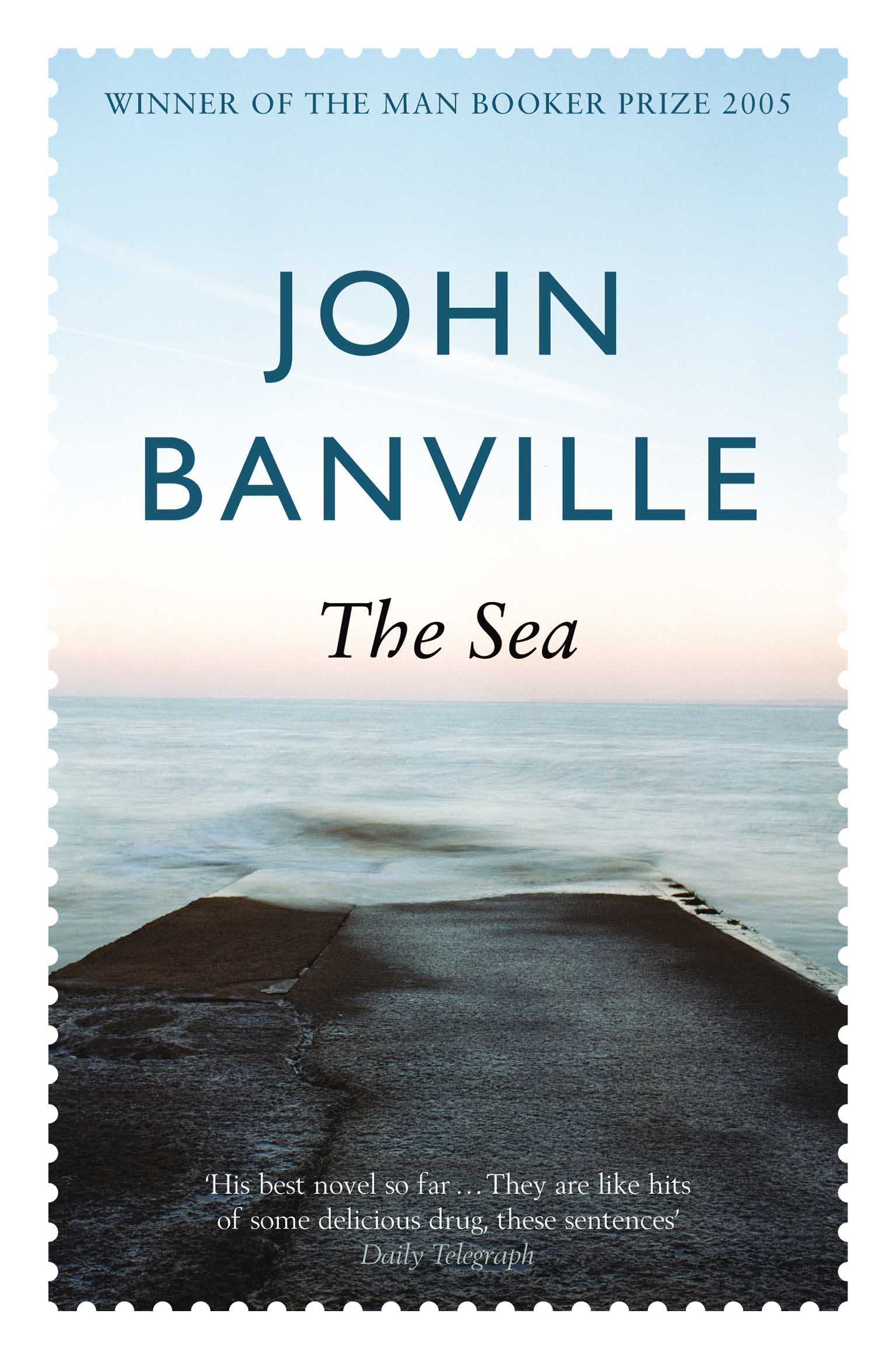

The Sea
Claire was waiting by the car, shoulders hunched, using the sleeves of her coat for a muff.
‘You should have asked me for the key,’ I said. ‘Did you think I wouldn’t give it to you?’ On the way home she insisted on taking the wheel, despite my vigorous resistance. It was full night by now and in the wide-eyed glare of the headlamps successive stands
of unleaving fright-trees loomed up suddenly before us and were as suddenly gone, collapsing off into the darkness on either side as if felled by the pressure of our passing. Claire was leaning so far forward her nose was almost touching the windscreen. The
light rising from the dashboard like green gas gave to her face a spectral hue. I said she should let me drive. She said I was too drunk to drive. I said I was not drunk. She said I had finished the hip-flask, she had seen me empty it. I said it was no business
of hers to rebuke me in this fashion. She wept again, shouting through her tears. I said that even drunk I would have been less of a danger driving than she was in this state. So it went on, hammer and tongs, tooth and nail, what you will. I gave as good, or as
bad, as I got, reminding her, merely as a corrective, that for the best part, I mean the worst part — how imprecise the language is, how inadequate to its occasions — of the year that it took her mother to die, she had been conveniently abroad, pursuing her
studies, while I was left to cope as best I could. This struck home. She gave a hoarse bellow between clenched teeth and thumped the heels of her hands on the wheel. Then she started to fling all sorts of accusations at me. She said I had driven Jerome away. I paused. Jerome? Jerome? She meant of course the chinless do-gooder — fat lot of good he did her — and sometime object of her affections. Jerome, yes, that was the scoundrel’s unlikely name. How, pray, I asked, controlling myself, how had I driven him away? To that she replied only with a head-tossing snort. I pondered. It was true I had considered him an unsuitable suitor, and had told him so, pointedly, on more than one occasion, but she spoke as if I had brandished a horsewhip or let fly with a shotgun. Besides, if it was my opposition that had driven him away, what did that say for his character or his tenacity of purpose? No no, she was better off free of the likes of him, that was certain. But for now I said nothing more, kept my counsel, and after a mile or two the fire in her went out. That is something I have always found with women, wait long enough and one will have one’s way.
Read more of this excerpt...
WORDS TO LIVE BY


1942 ·
NON-FICTION


NEW MUSIC