Hamnet

When Eliza hears these claims, made in her presence by people in the street, by neighbours, by those to whom she sells gloves, she doesn’t pretend not to have heard. She stops in her tracks. She holds the eye of the gossip in question (she has an unnerving stare: this she knows – her brother has told her often enough; it is, he says, something to do with the purity of her eye-colour, the way she can open her eyes wide enough for the whole iris to be seen). She is only thirteen but she is tall for her age. She holds their gaze long enough for them to drop their stare, for them to shuffle off, chastised by her boldness, her silent severity. There is, she has found, great power to be had in silence. Which is something this brother of hers has never learnt.
From the archives
·
2016
Homegoing
The men continued sipping the wine in silence for a while. In the trees, the birds were calling each other to sleep. A spider crawled over James’s bare foot, and he thought of the Anansi stories his mother used to tell him, and still told his younger brothers and sisters. “Have you heard the story of Anansi and the sleeping bird?” she would ask them, mischief dancing behind her eyes, and they would all shout “No!” and giggle into their hands, thrilled by the lie they were telling, for they had all heard it many times before, learning then that a story was nothing more than a lie you got away with.
David tipped the calabash back again, his head tipping back with it so that he could completely empty the contents. He belched, then wiped his mouth with the back of his hand. “Is it true?” he asked. “The rumors about the British abolishing slavery soon?”

Read more of this excerpt...
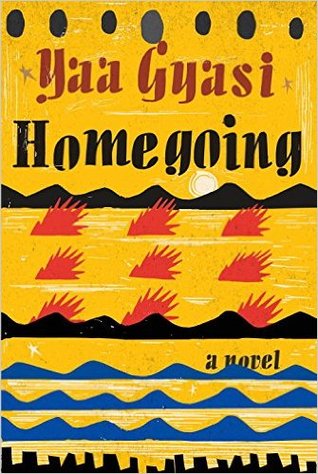

Homegoing
The men continued sipping the wine in silence for a while. In the trees, the birds were calling each other to sleep. A spider crawled over James’s bare foot, and he thought of the Anansi stories his mother used to tell him, and still told his younger brothers and sisters. “Have you heard the story of Anansi and the sleeping bird?” she would ask them, mischief dancing behind her eyes, and they would all shout “No!” and giggle into their hands, thrilled by the lie they were telling, for they had all heard it many times before, learning then that a story was nothing more than a lie you got away with.
David tipped the calabash back again, his head tipping back with it so that he could completely empty the contents. He belched, then wiped his mouth with the back of his hand. “Is it true?” he asked. “The rumors about the British abolishing slavery soon?”
Read more of this excerpt...
WORDS TO LIVE BY


2005 ·
NON-FICTION


NEW MUSIC