The Ladies of Grace Adieu

It was said that the great-grandfather of these children had studied magic and had left behind him a library. Miss Tobias was often in the library and what she did there no one knew. Of late her two friends, Mrs Field and Miss Parbringer, had also been at the house a great deal. But it was generally supposed that they were visiting the children. For ladies (as every one knows) do not study magic. Magicians themselves are another matter - ladies (as every one knows) are wild to see magicians. (How else to explain the great popularity of Mr Norrell in all the fashionable drawing rooms of London? Mr Norrell is almost as famous for his insignificant face and long silences as he is for his incomparable magicianship and Mr Norrell's pupil, Mr Strange, with his almost handsome face and lively conversation is welcome where ever he goes.) This then, we will suppose, must explain a question which Cassandra Parbringer put to Miss Tobias on a day in September, a very fine day on the cusp of summer and autumn.
From the archives
·
1956
The Fall
That is what no man (except those who are not really alive—in other words, wise men) can endure. Spitefulness is the only possible ostentation. People hasten to judge in order not to be judged themselves. What do you expect? The idea that comes most naturally to man, as if from his very nature, is the idea of his innocence. From this point of view, we are all like that little Frenchman at Buchenwald who insisted on registering a complaint with the clerk, himself a prisoner, who was recording his arrival. A complaint? The clerk and his comrades laughed: “Useless, old man. You don’t lodge a complaint here.” “But you see, sir,” said the little Frenchman, “my case is exceptional I am innocent!”

Read more of this excerpt...
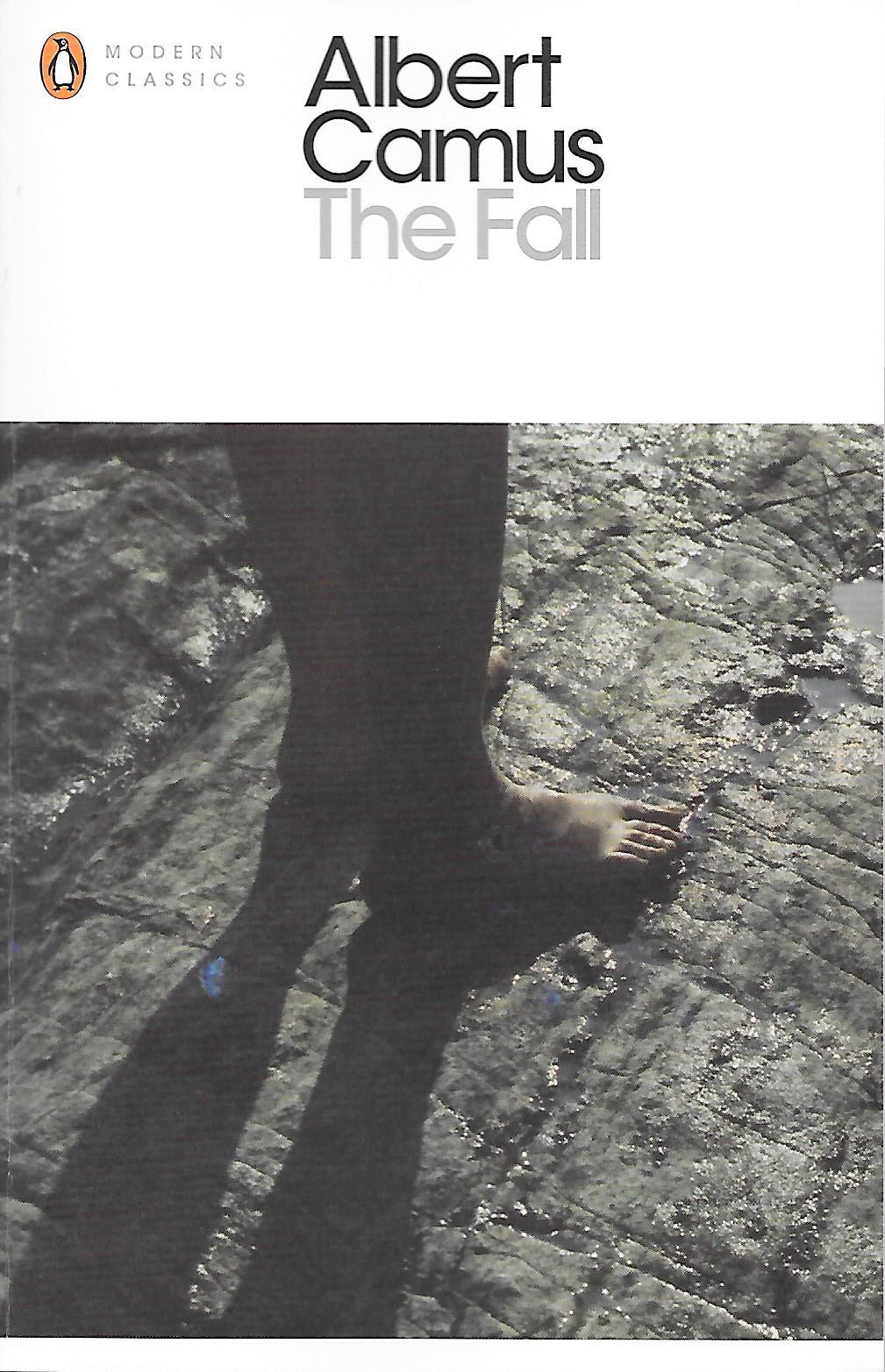

The Fall
That is what no man (except those who are not really alive—in other words, wise men) can endure. Spitefulness is the only possible ostentation. People hasten to judge in order not to be judged themselves. What do you expect? The idea that comes most naturally to man, as if from his very nature, is the idea of his innocence. From this point of view, we are all like that little Frenchman at Buchenwald who insisted on registering a complaint with the clerk, himself a prisoner, who was recording his arrival. A complaint? The clerk and his comrades laughed: “Useless, old man. You don’t lodge a complaint here.” “But you see, sir,” said the little Frenchman, “my case is exceptional I am innocent!”
Read more of this excerpt...
WORDS TO LIVE BY


2011 ·
NON-FICTION


NEW MUSIC